Back to Don's Maps
 Mousterian (Neanderthal) Sites
 Back to the review of hominins
Kebara Cave, a Middle Palaeolithic Aurignacian and Mousterian site
Located on the western escarpment of Mount Carmel, Kebara Cave has two important components, Middle Palaeolithic Aurignacian and Mousterian, and Epi-Palaeolithic Natufian. First occupied about 60 000 years ago, the 4 metre thick cave deposit has Levallois stone artifacts as well as many hearths and midden deposits.
The oldest occupations at Kebara Cave are thought to be associated with the Middle Palaeolithic Aurignacian and Mousterian traditions, and range between 60 000 and 48 000 years ago. These oldest levels yielded thousands of animal bones - primarily mountain gazelle and Persian fallow deer - many of the bones with cutmarks, as well as burned bones, hearths, ash lenses and lithic artefacts, leading researchers to believe Kebara Cave was a long-term occupied base camp for its Neanderthal residents. Also identified in the MP layers of Kebara cave was a nearly complete skeleton of a Neanderthal, known as KMH 2 or Kebara
Text above: http://archaeology.about.com/od/kterms/qt/kebara_cave.htm
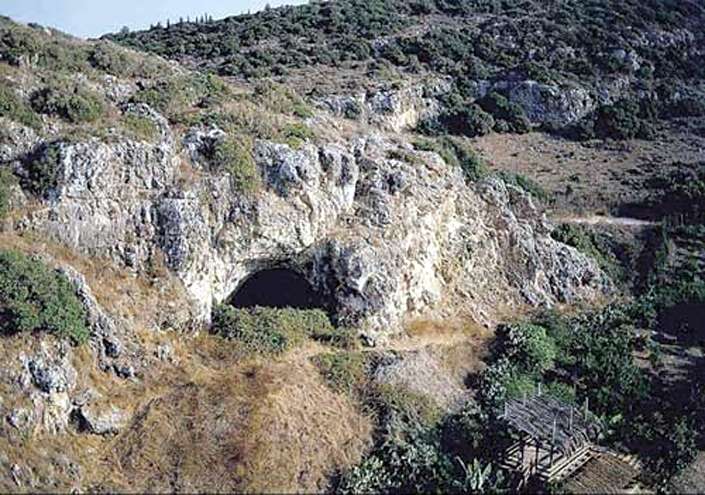
Kebara Cave, Mt. Carmel – general view
Photo: © Prof. Anna Belfer-Cohen, at: http://archaeology.huji.ac.il/depart/prehistoric/annab/photo.asp
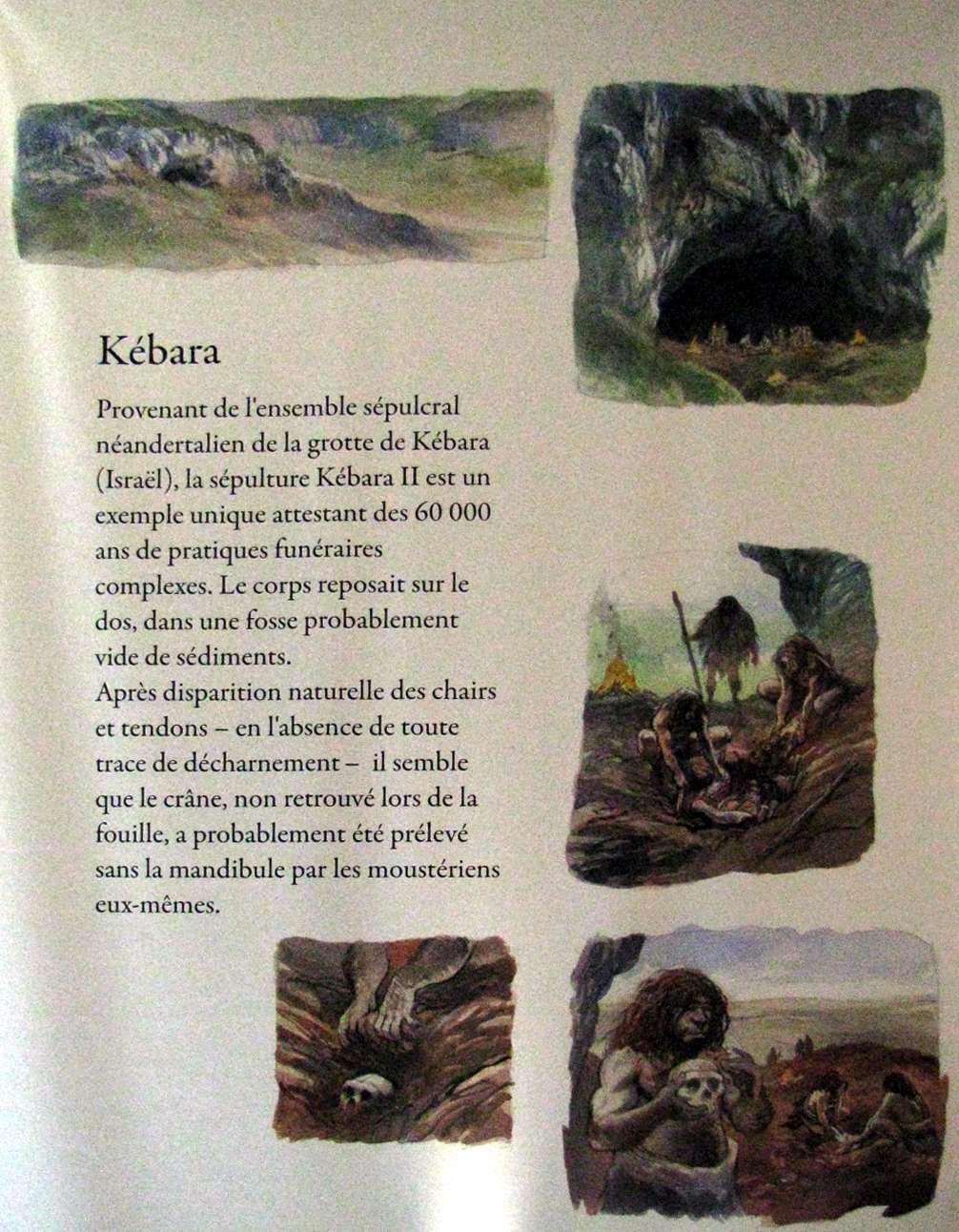
The Kebara II burial in the Kebara Cave, Israel, is a unique example of complex burial practices 60 000 years ago.
The body rested on its back, probably in a grave dug for its interment. After the disappearance of flesh and tendons - without any trace of physical removal of flesh - it appears that although the jaw remains, the skull, not found during the excavation, was probably removed by the Mousterians themselves.
Photo: Don Hitchcock 2008
Text: Adapted and translated from the display at Musée National de Préhistoire, Les Eyzies
Artist:© Emmanuel Roudier, 2008
Superb watercolours were done for this exhibition by the French artist, Emmanuel Roudier.
Blog: http://roudier-neandertal.blogspot.com/ Contact: emmanuelroudier@gmail.com
Source: Display at Musée National de Préhistoire, Les Eyzies
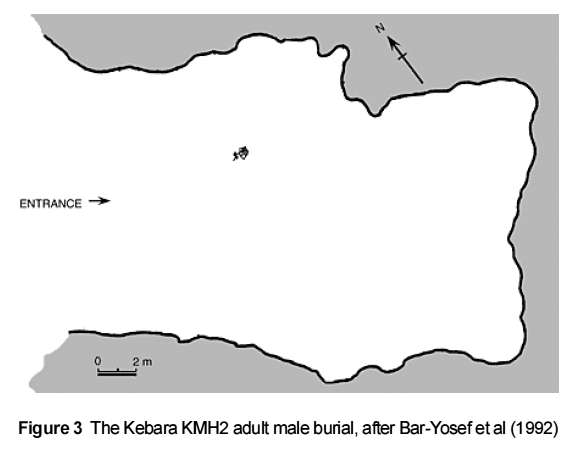
Kebara 2 skeleton position in the cave.
Photo:
Pettitt (2002)
Source: Bar-Yosef et al (1992)
Mugharet el-Kebara (Me'arat Kabara) is located on the western escarpment of Mt. Carmel, about 13 km south of Wadi el-Mughara (Nahal Ha-Me'arot) at about 60-65 m above sea level. Its arched entrance, which was essentially the same during Middle Paleolithic and early Upper Paleolithic times, faces north-northwest. The small terrace in front of the cave is formed by a huge rock collapse at least part of which occurred during the Upper Paleohthic. The escarpment at Kebara is made of limestone of Cenomanian and Turonian age. The cave itself is formed within dolomite. (Bar-Yosef et al, 1992)
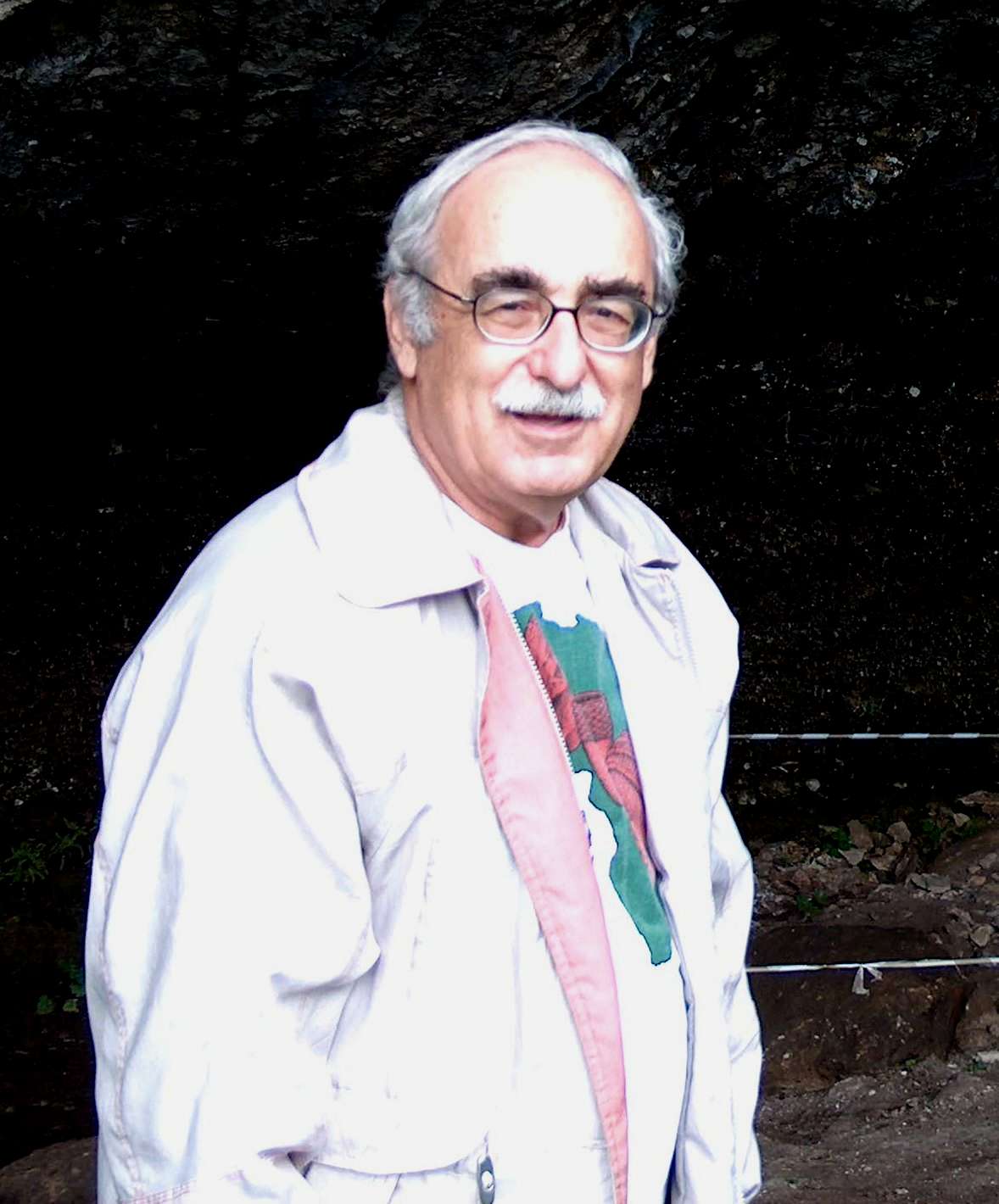
Ofer Bar-Yosef, born 1937, is a highly experienced and respected Israeli archaeologist, who specialises in the Paleolithic period. He is most closely associated with excavations at prehistoric Levantine sites including Kebara Cave in Israel, the early Neolithic village of Netiv HaGdud in the West Bank and other Palaeolithic and Neolithic sites in China and the Republic of Georgia.
He studied as an undergraduate and postgraduate at the Hebrew University in Jerusalem in the 1960s, and later became a Professor of Prehistoric Archaeology at the same institution. He moved to America in 1988, and was appointed a Professor of Prehistoric Archaeology at Harvard University, and Curator of Palaeolithic Archaeology at the Peabody Museum of Archaeology and Ethnology.
Among his most recent discoveries were microscopic flax fibres, found while examining clay samples from a cave in the Caucasus Mountains of Georgia (which he has visited every year since 1996). At 34 000 years old they are the earliest artefacts of their kind ever discovered.
Text: http://heritage-key.com/ofer-bar-yosef
Photo: Wikipedia, Z. Matskevich - I, the copyright holder of this work, hereby release it into the public domain. This applies worldwide.
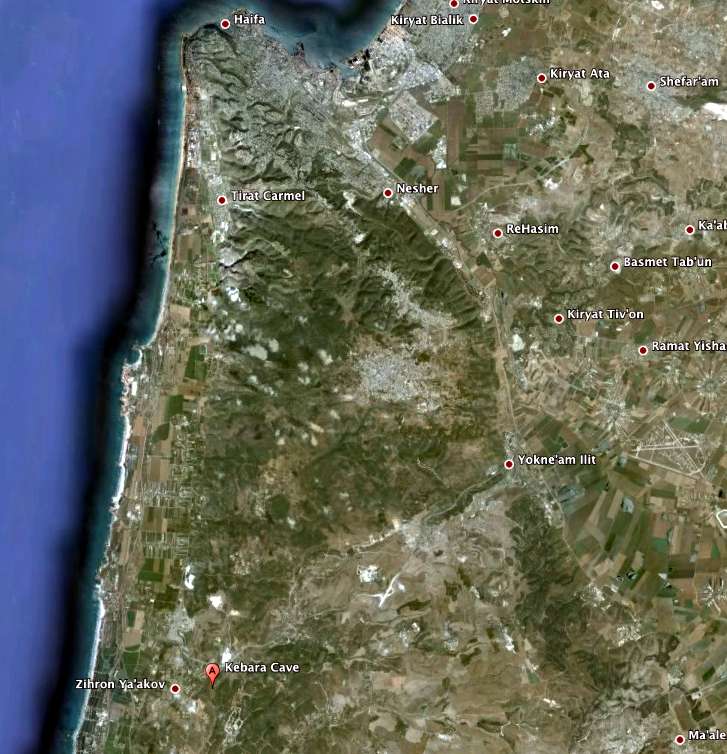
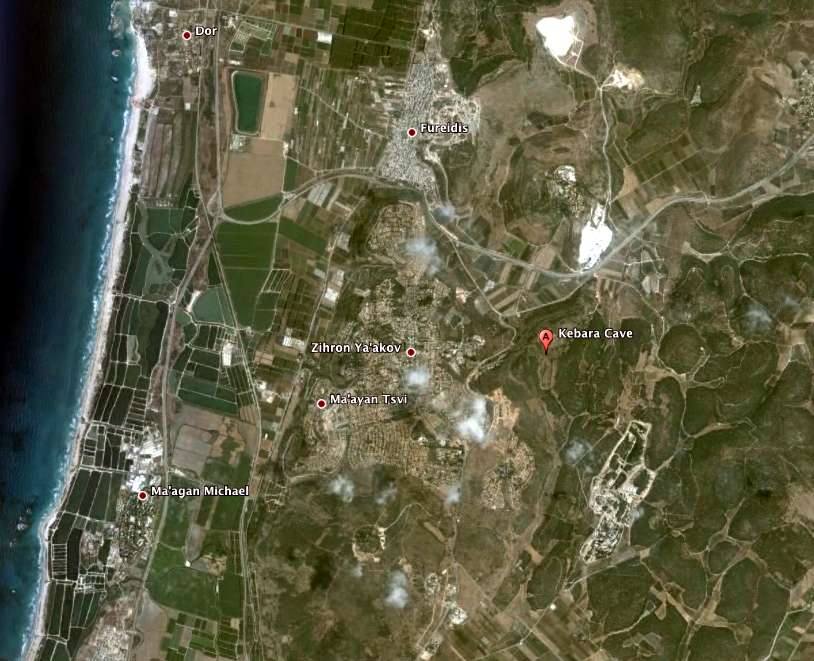
Kebara map.
Photo: Google Earth
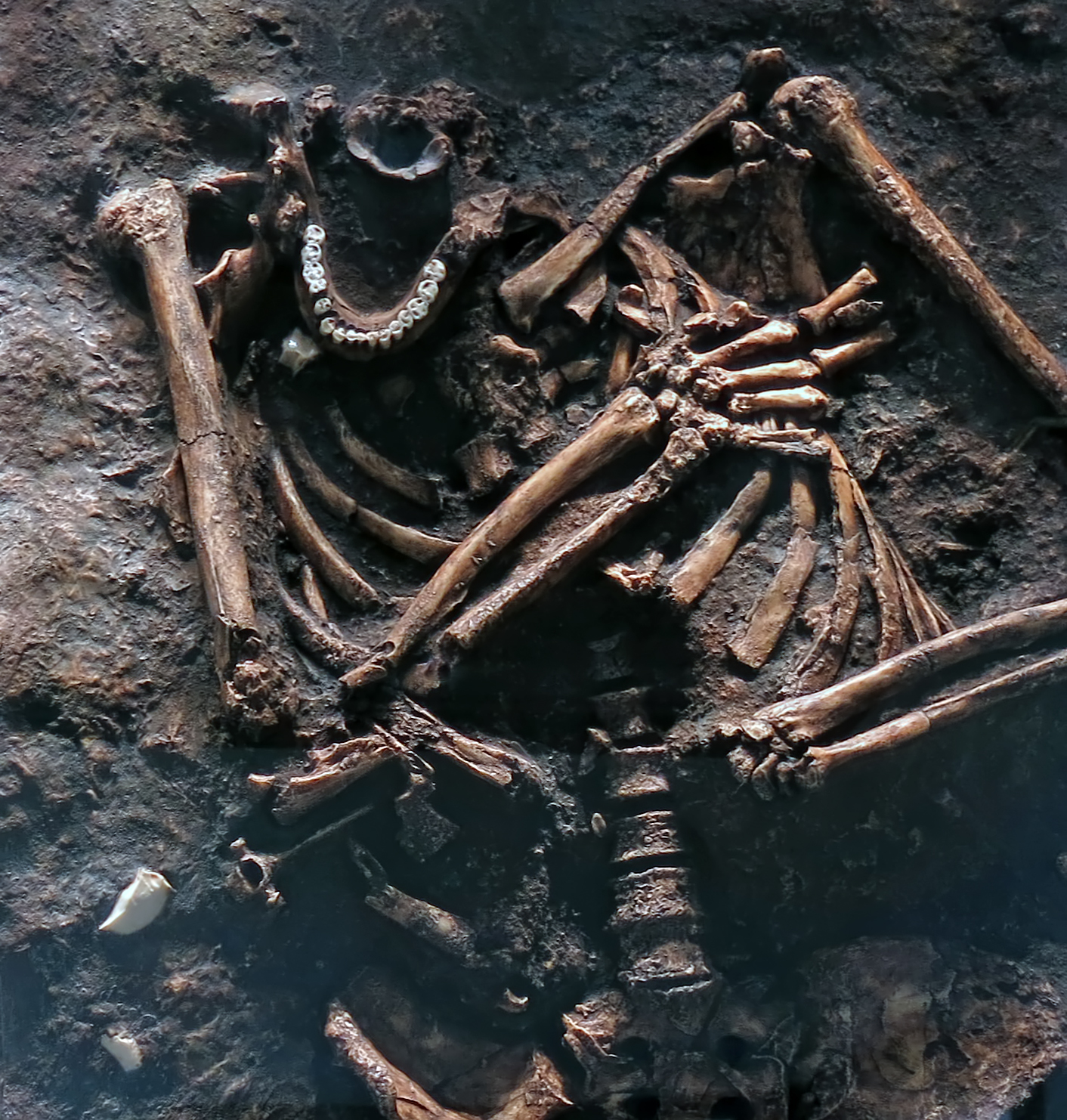
Neanderthal burial.
Kebara Cave in Israel's Carmel Range has yielded the skeletal remains of a Neanderthal buried there some 60 000 years ago. Preserved at other sites are colour pigments and pollen from the gifts of flowers, all indications of an intentional burial practice. This unique, yet disputed, ritual makes the Neanderthals the first humans to have attended to their dead.
Photo: Don Hitchcock 2015
Source: Facsimile, Vienna Natural History Museum, Naturhistorisches Museum Wien
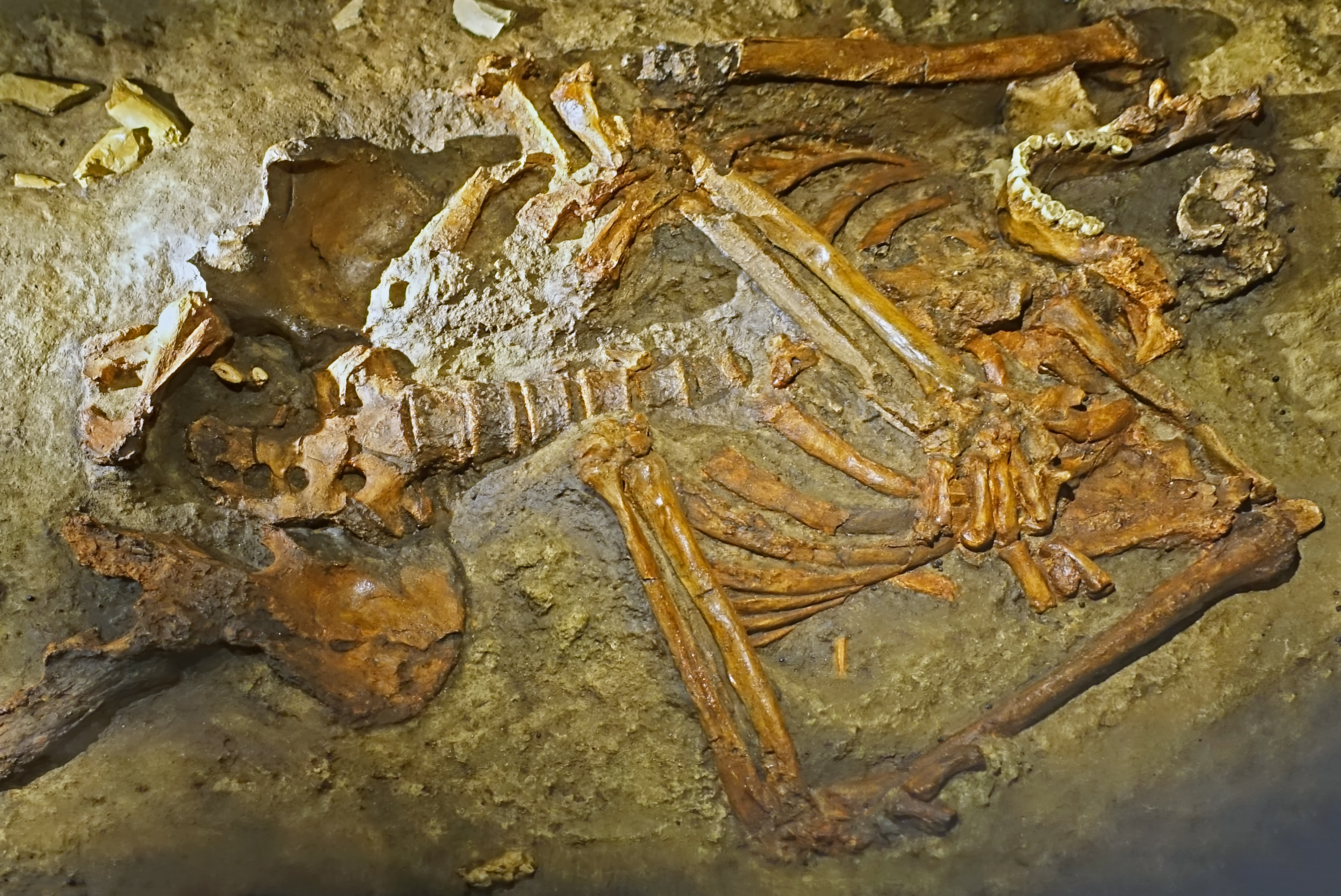
Neanderthal burial.
These well preserved bones are the remains of a deliberate burial. The position of the upper limbs suggests the body was laid in the grave before rigor mortis had set in. The cranium is absent. Some scientists believe it was removed after burial, but we do not know why.
Photo: Don Hitchcock 2018
Source and text: Facsimile, Natural History Museum, Cromwell Road, London
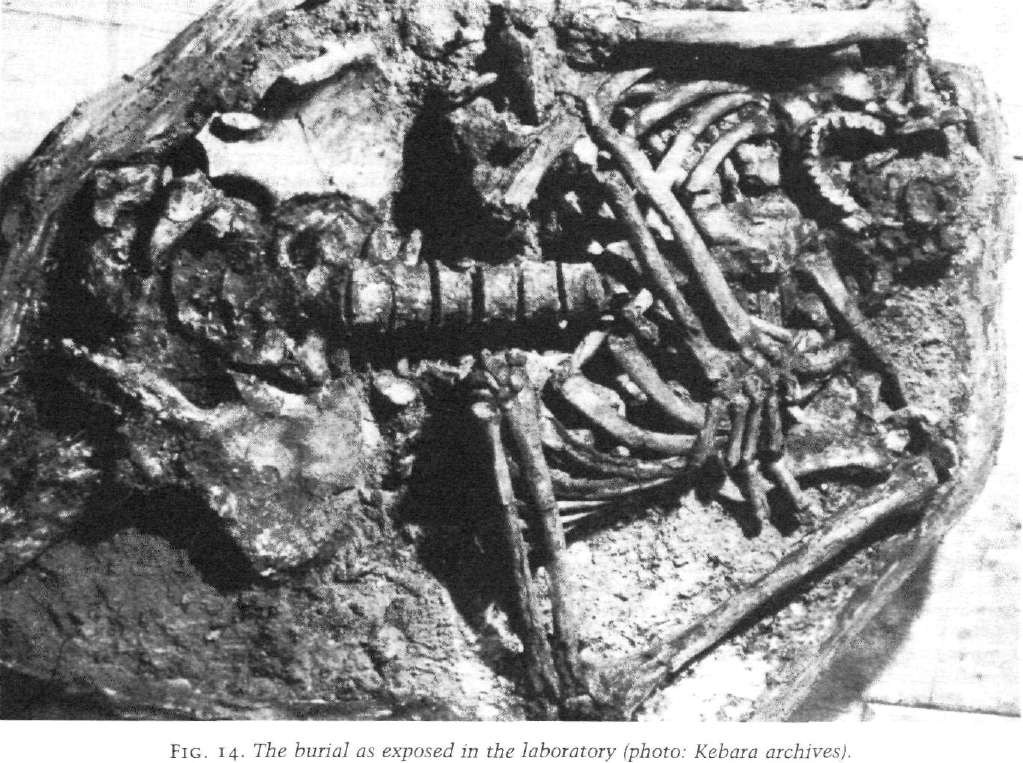
The original Kebara skeleton photographed after removal to the laboratory.
Photo: Bar-Yosef et al (1992)
The Kebara 2 skeleton was uncovered in 1983. It has been dated by thermoluminescence to 61 000 - 59 000 BP, and by electron spin resonance to 64 000 - 60 000 BP.
The sediments inside the pit were yellow-brown while those outside were blackish.
The skeleton was lying on its back in a general east-west orientation. The right hand lay on the thoracic cavity at the level of the left scapula.
The left hand lay a little lower at the level of the lumbar vertebrae. The cranium was missing. The cervical vertebrae were in anatomical sequence, with the atlas positioned between the branches of the mandible. The latter was tilted toward the vertebral column, indicating that the head of the skeleton originally leaned forward. The head lay at a slightly higher level than the rest of the body against the steep northeastern side of the burial pit. In its primary position the head was probably facing westward.
The right humerus was turned inward with its lateral side facing up. The right innominate (hip bone) was in place, and the typical sideward collapse after the decay of the flesh had not occurred. These observations mean that the right side of the body was leaning against the northern wall of the burial pit, limiting the amount of bone movement. which normally occurs with the decomposition of the soft tissue.
Most of the anatomical connections were still intact; for example, the extremely mobile hyoid bone remained in place between the branches of the mandible. There was no evidence for the collapse of the thoracic cavity after decomposition of the soft tissue. The position of the components of the scapular girdle and the obliquity of the left clavicle indicate that the shoulders were contracted slightly upwards. These observations suggest that the body decomposed in a filled grave and that the burial pit was somewhat deeper at the level of the thorax.
Despite the abundance of evidence for hyena-gnawed bones in the cave, no carnivore marks were noticed on these bones.
The position of the upper limbs, especially the right hand reaching the left shoulder, supports the hypothesis of immediate inhumation, perhaps preceding rigor mortis.
The positions of the mandible, the hyoid bone, and the right upper third molar, which fell from its socket next to the right lower third molar, exclude the hypothesis that the skull was removed by an animal. Furthermore, no cranial fragments were found. These observations suggest that the skull was removed by humans following the complete decay of the atlanto-occipital ligaments.
This is, in our view, the first clear-cut case recorded in a Mousterian context for later human intervention in a primary burial. The absence of the skull precludes any further interpretations in terms of mortuary practices.
Numerous lithics and a few bones were discovered within the burial pit. Their distribution, however, would not indicate any explanation other than that they were a part of the refill of the pit, which was dug into layers rich in artefacts and bones. The use of the same sediment would also mean that no major colour changes resulted from the refilling of the burial pit.
Judging by the degree of ossification, the morphological changes at the costo-endochondral joint, dental attrition, and pelvic morphology, KMH 2 was an adult male 25-35 years old.
Its excellent state of preservation provides accurate information on postcranial elements such as the vertebral column, thorax, upper limb bones, and pelvis. The study of these bones has direct implications for the interpretation of the morphology of Levantine Middle Paleolithic humans. Comparisons with the Neanderthals from Tabun, Shanidar, and Amud or with the early modern humans from Skhul and Qafzeh are most informative.
The estimation of the stature of KMH 2 at ±1.74 m, for example, is consistent with observations previously made on Near Eastern Middle Palaeolithic hominids suggesting a mean stature greater than that of European Neanderthals.
The KMH 2 mandible displays a combination of gracile and robust features. Several measurements exceed those in modern humans as well as those in other Middle Palaeolithic hominids. The corpus is extremely robust and tall, especially in the symphyseal region, which lacks a chin.
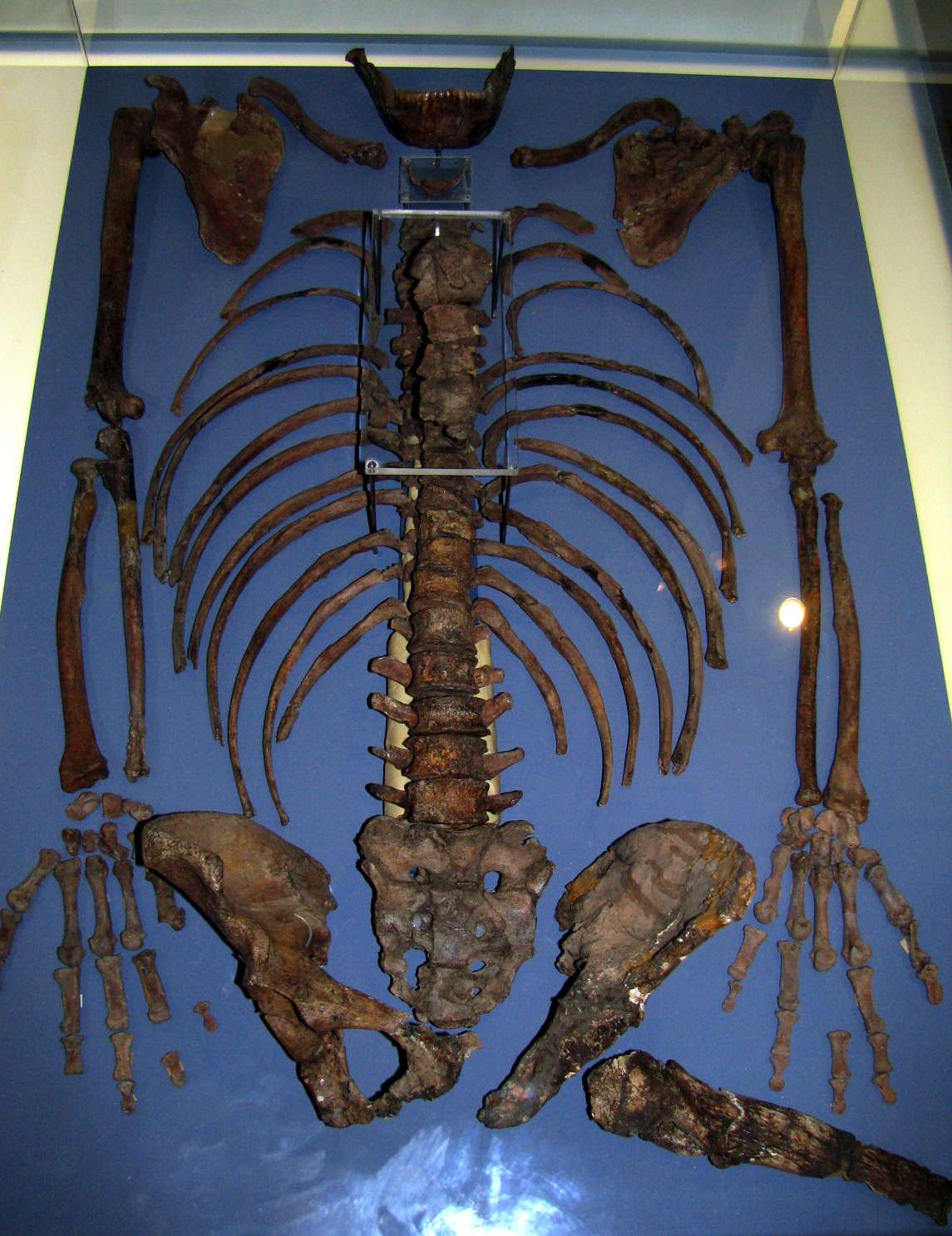
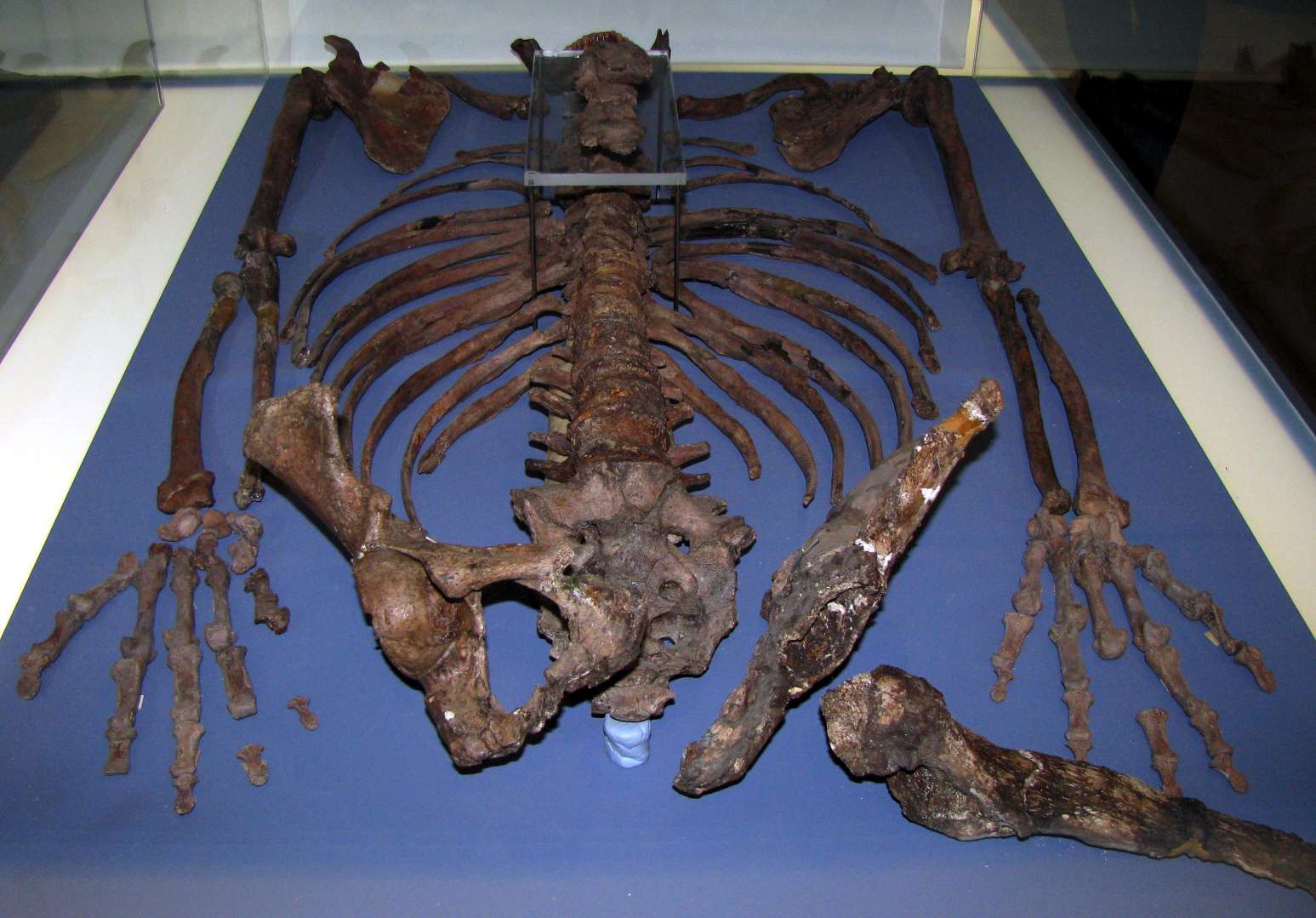
Kebara 2 skeleton.
Note that the one femur found has been placed at an angle to fit into the display case.
Photo: Don Hitchcock 2008
Source: Original, Musée National de Préhistoire, Les Eyzies
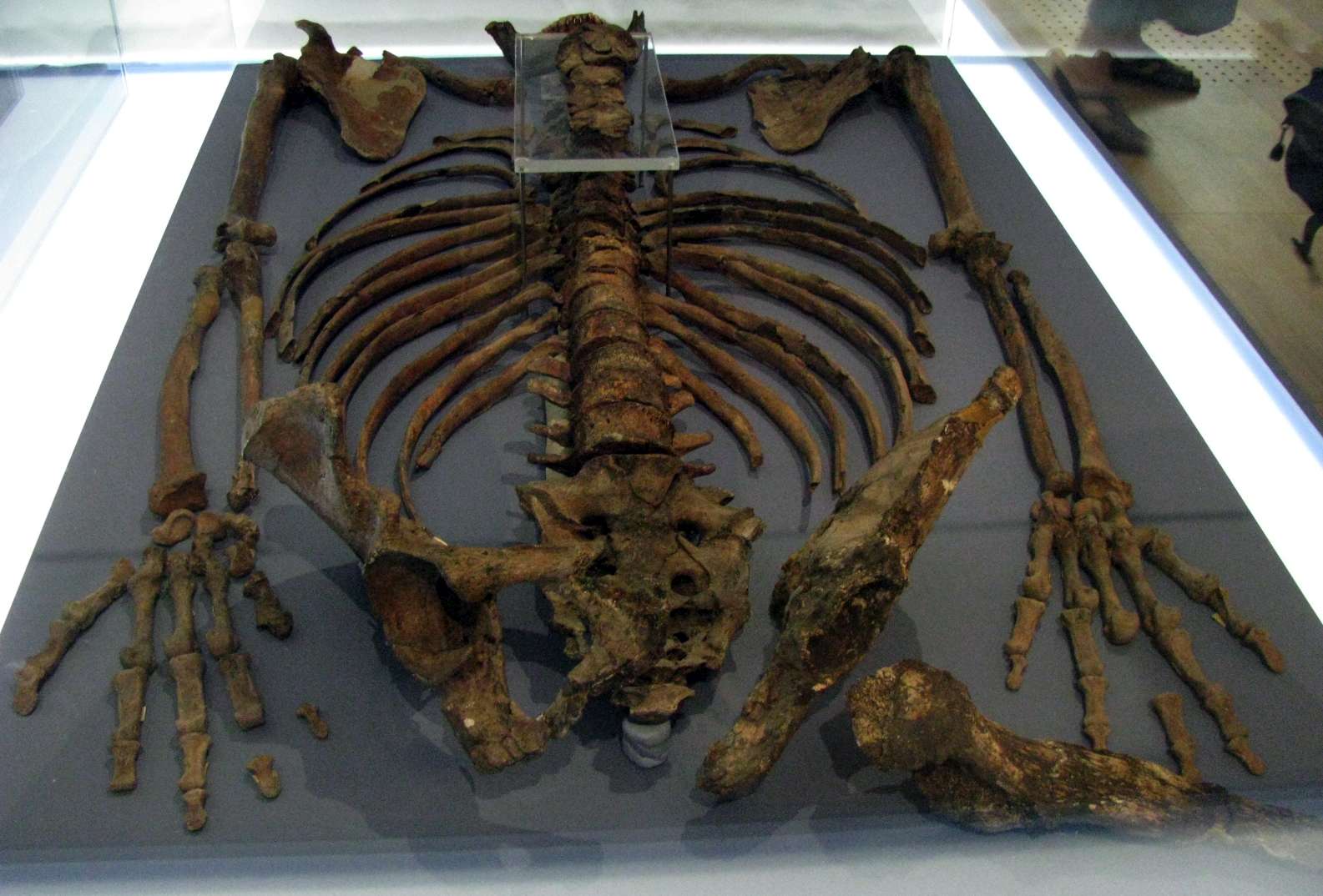

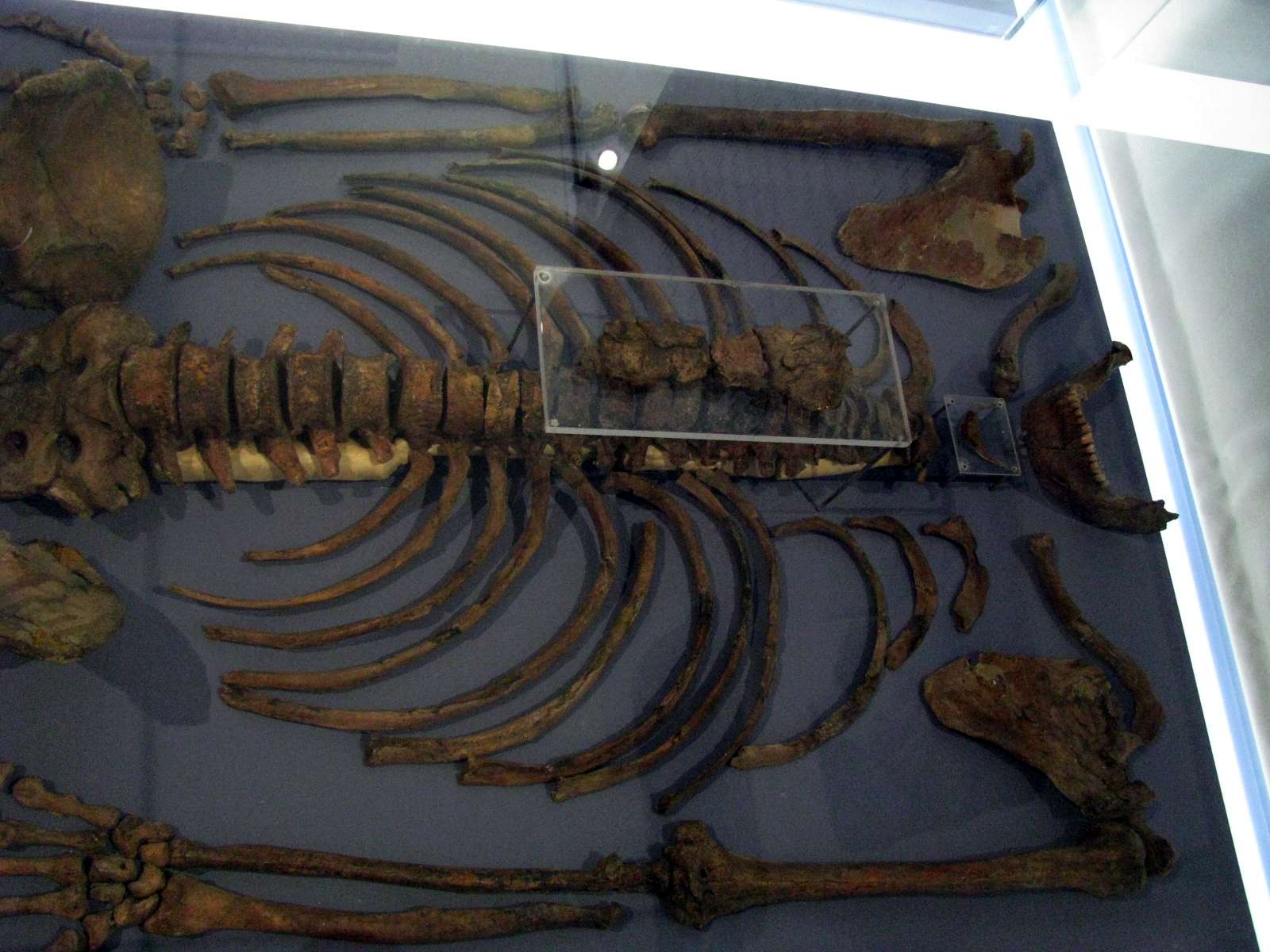
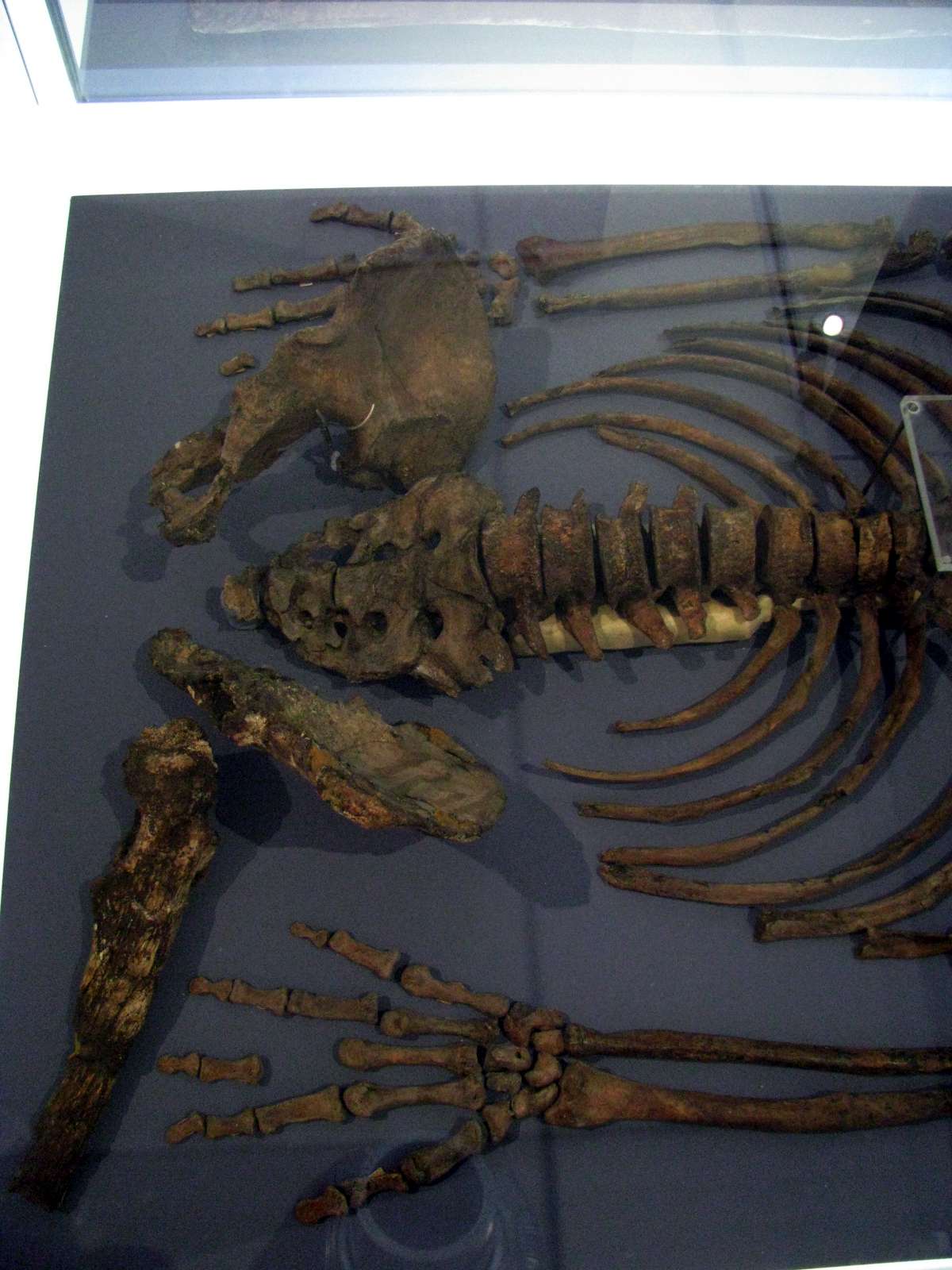
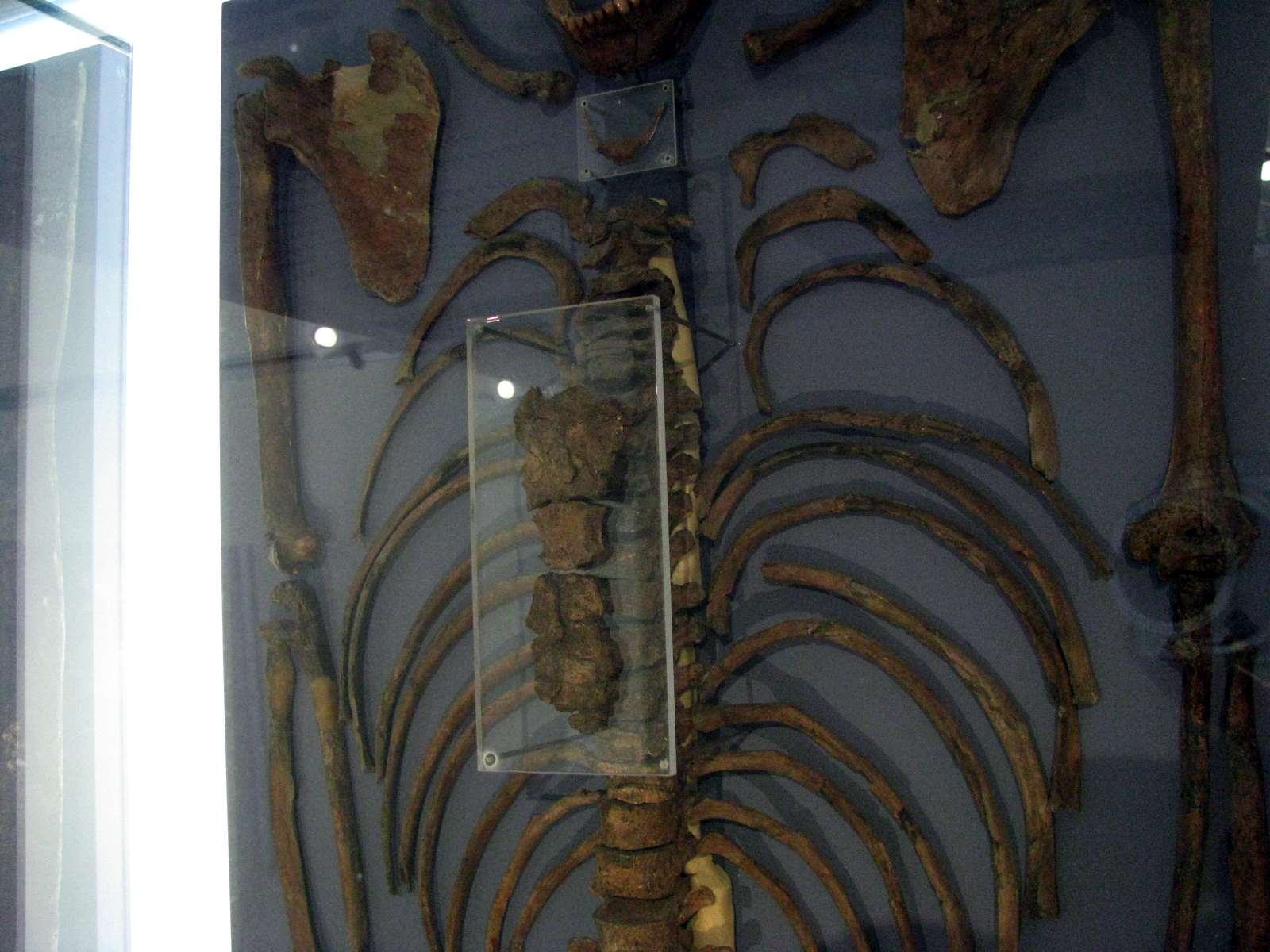
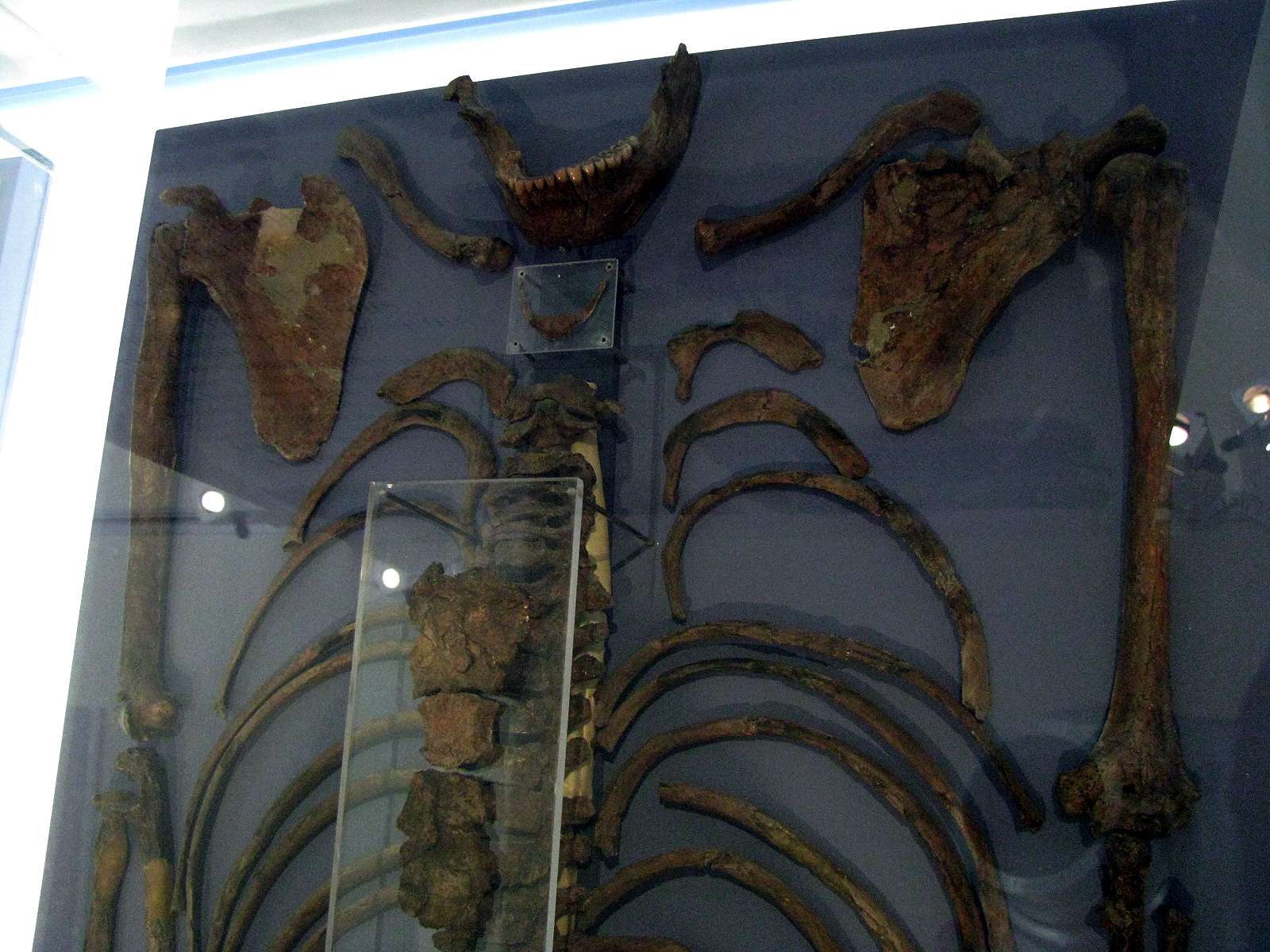
Kebara 2 skeleton.
Photo: Don Hitchcock 2008
Source: Original, Musée National de Préhistoire, Les Eyzies
Squelette de Kebara 2, fouille O. Bar Yosef et B. Vandermeersch (collection du Département d'Anatomy et Anthropologie de l'Université de Tel-Aviv, Israël)
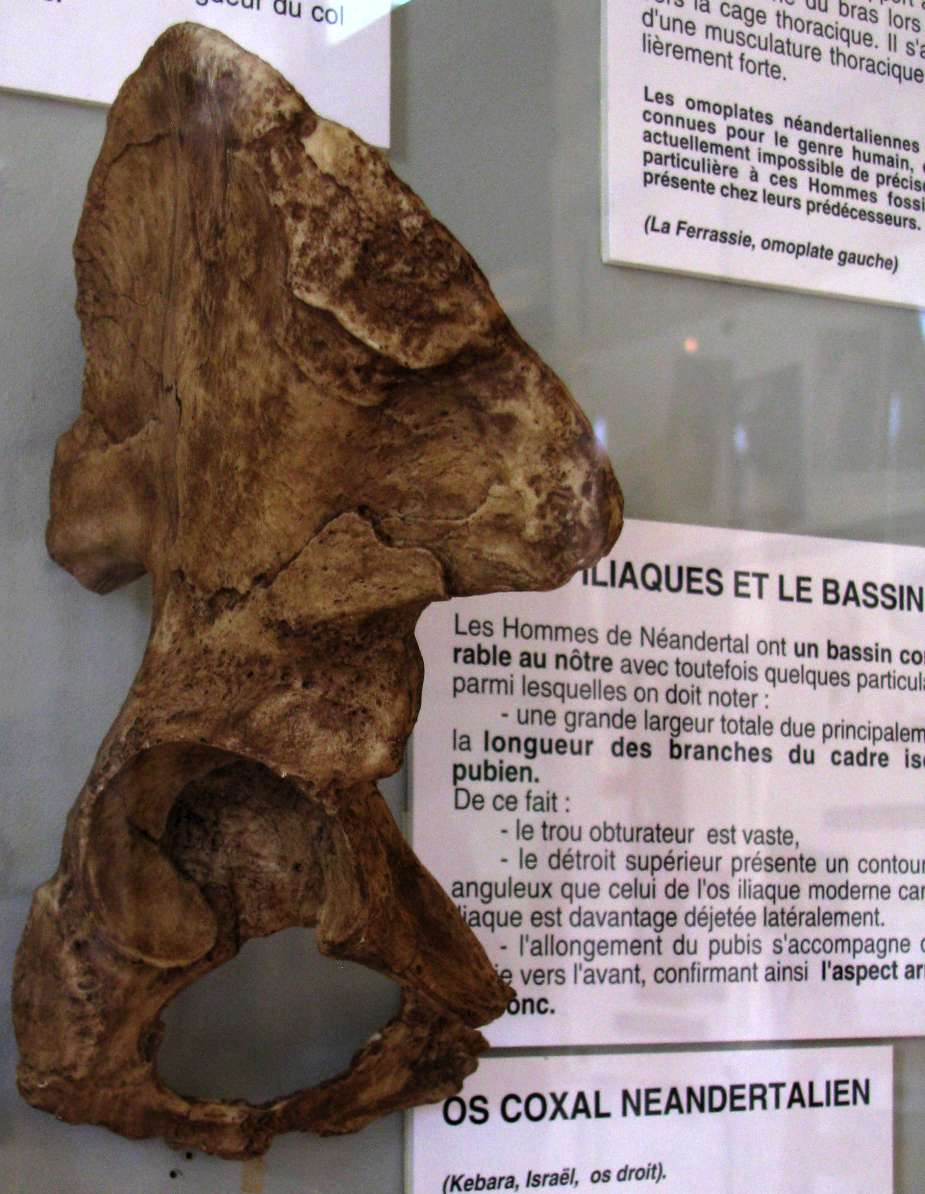
Right hip bone from the Kebara II skeleton. The pelvic girdle, also called the hip girdle, is composed of two coxal (hip) bones.
Photo: Don Hitchcock 2008
Source: Facsimile, Neandertal Museum, la Chapelle-aux-Saints
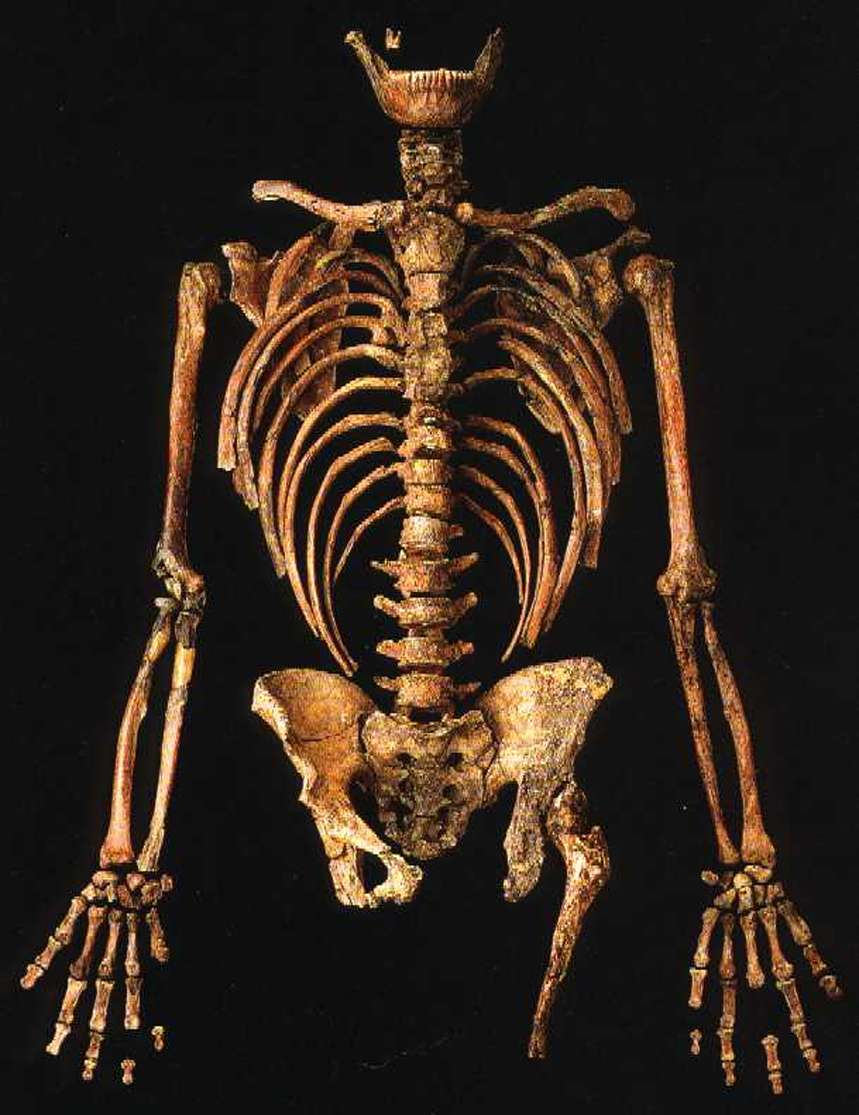
Another version of the Kebara 2 skeleton.
Photo: Photograph by David Brill, Michigan State University, https://www.msu.edu/~heslipst/contents/ANP440/images/Kebara_2.jpg
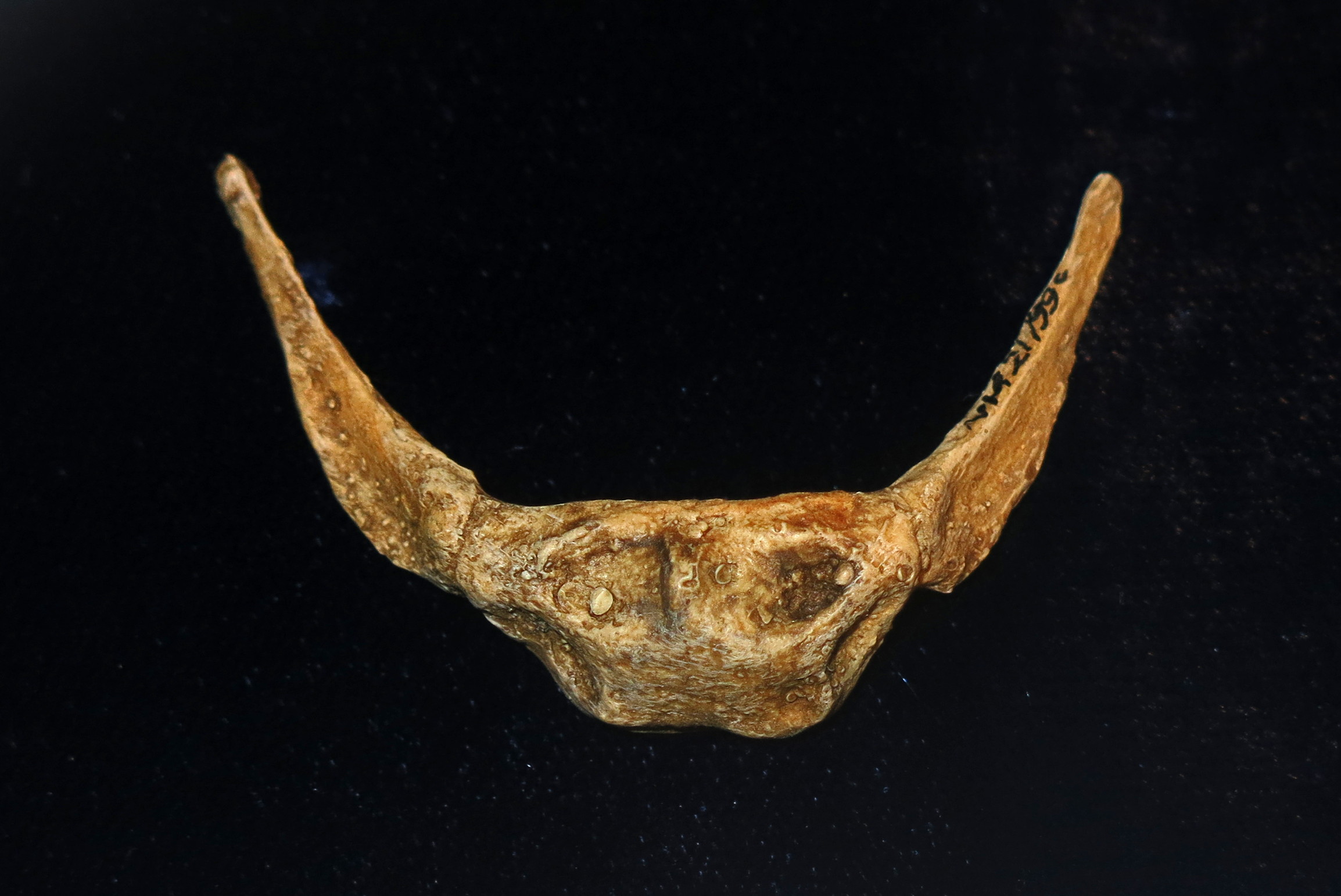
Hyoid bone of Homo sapiens neanderthalensis, Kebara, Israel, 60 000 BP.
The original is in the Rockefeller Museum, Jerusalem.
Photo: Don Hitchcock 2015
Source and text: Facsimile, Neanderthal Museum, Mettmann, near Düsseldorf

Kebara 2 skeleton - facsimile.
Photo: bunzyke007, http://www.flickr.com/photos/10836966@N00/375768786/
References
- Pettitt, P., 2002: The Neanderthal dead: exploring mortuary variability in Middle Palaeolithic Eurasia. Department of Archaeology, University of Bristol, 43 Woodland Road, Bristol BS8 1UU, and Keble College, Oxford
- Bar-Yosef, O. & Vandermeersch B. et al., 1992: "The Excavations in Kebara Cave, Mount Carmel", Current Anthropology 33.5 (1992), pp.497-546.